
Expert Tips for Effective and Responsible Rodenticide Use
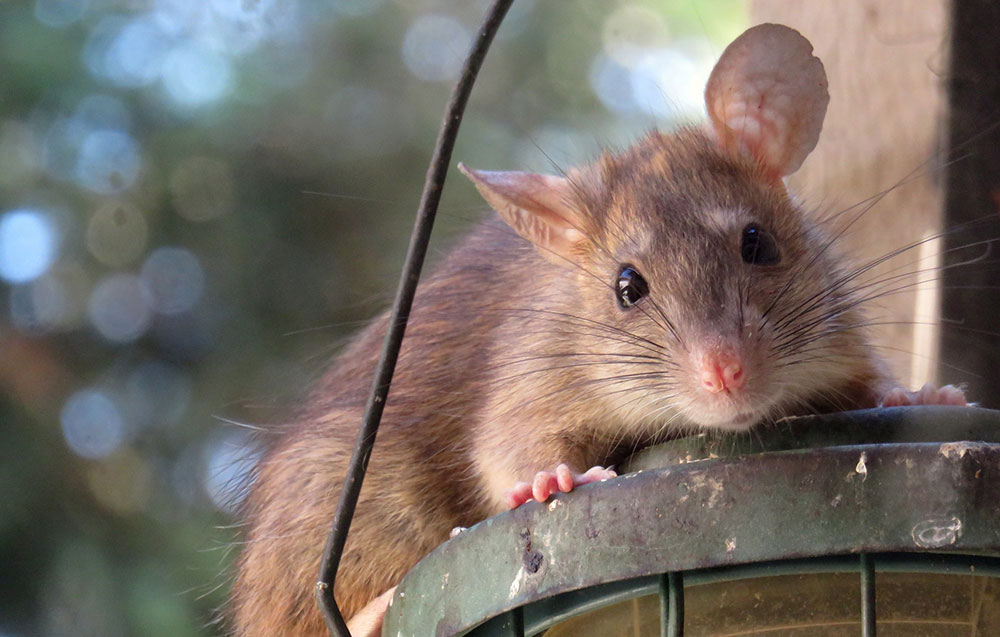
Rodenticides are specific pesticides used to control pest rodents, such as house mice, roof rats, Norway rats, and voles. These rodents can pose significant risks to public health by transmitting diseases and can cause damage to yards and structures.
To protect people, pets, non-target wildlife, and the environment, it is important that consumers use rodenticides responsibly. Rodenticide experts have compiled a few tips to help.


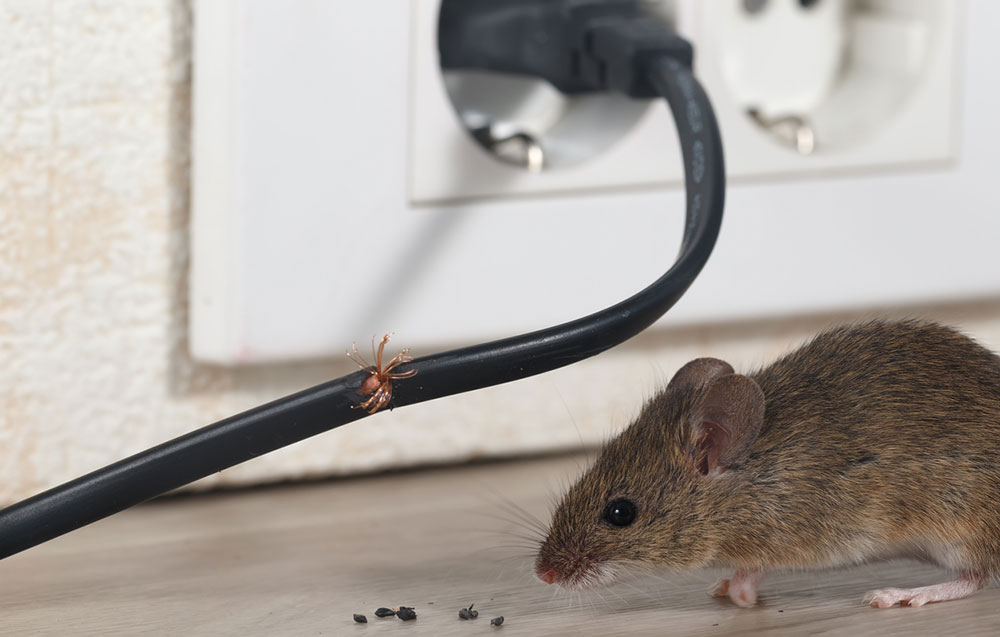
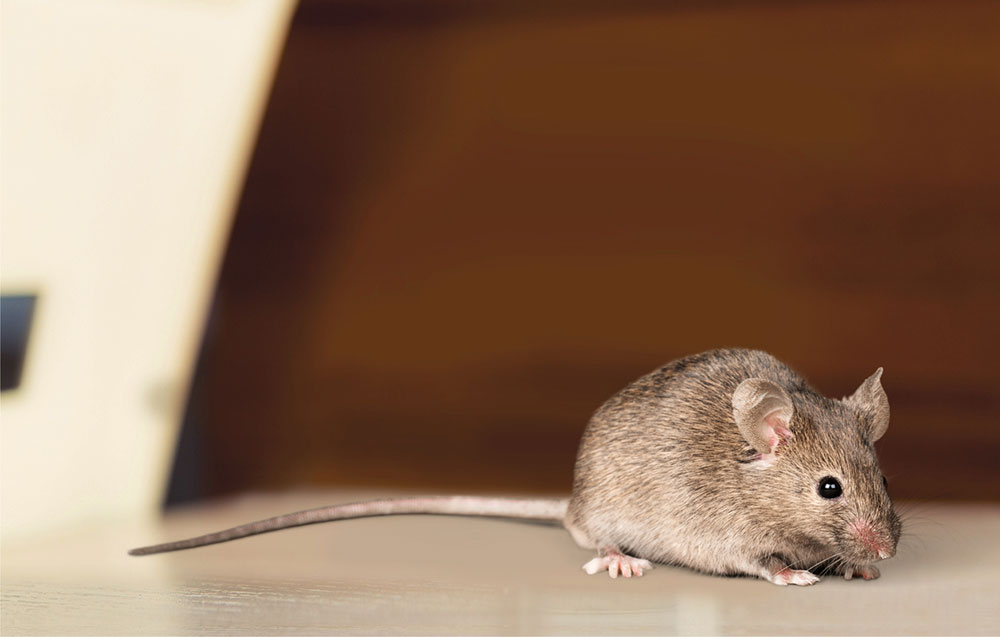

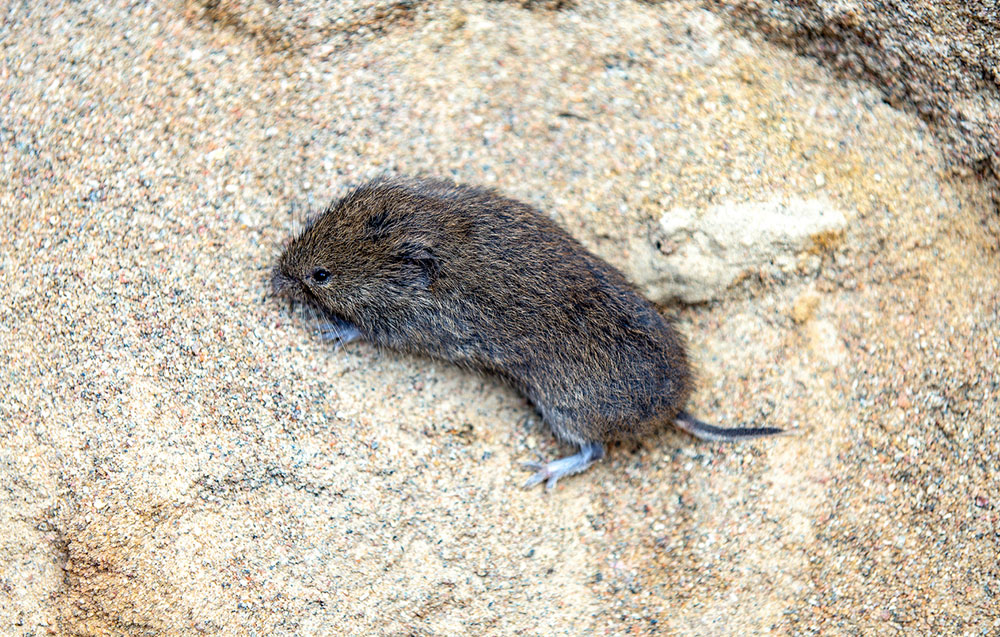

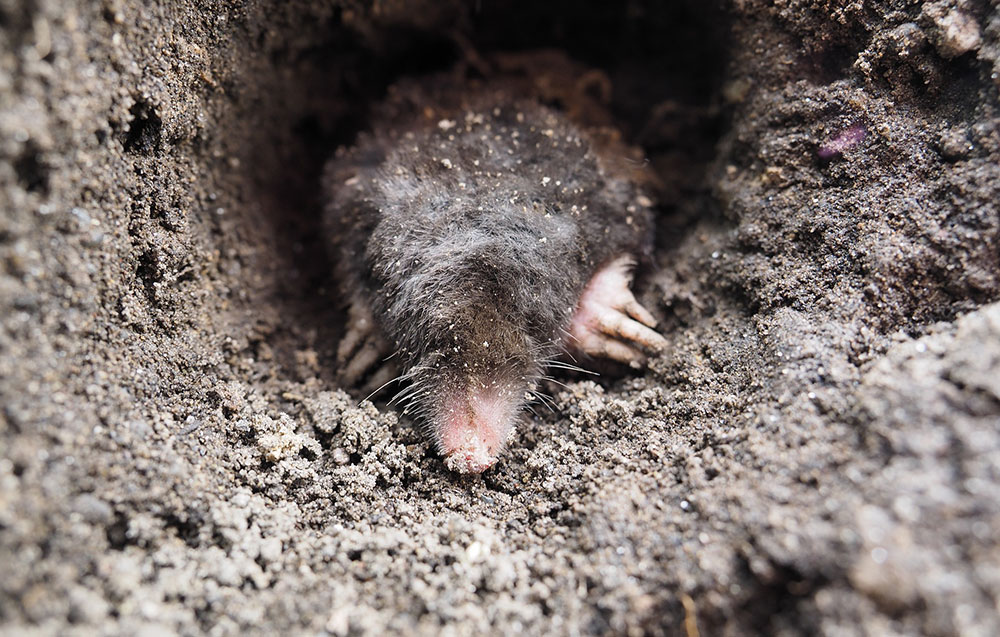


Read the Label
- DID YOU KNOW? Before Rodenticide products are sold to consumers, these products go through careful review by the Environmental Protection Agency (EPA) to determine human and environmental health risks. The product label information is based on the data used for this review and contains all the specific health and safety details for proper use, storage, and disposal.
- The way to protect your family, pets, and non-target wildlife from rodenticide exposure is to read the label thoroughly before using the product.
- Check the product label to determine if the pest is listed on the label. Use of a rodenticide on a species not listed on the label is a violation of state and federal law. Non-target wildlife are other animals that you do not want to expose to the product.
- Follow the Directions for Use section for the pest(s) you have.
- Adhere to all restrictions on the label. This will help ensure that only the target pest(s) are addressed, and you and your family, pets, and non-target wildlife are not exposed.
Always Keep Pesticides Out of Reach of Children, Pets, and Non-Target Wildlife
- Protecting our loved ones and non-target wildlife is vital. When using, storing, and disposing of pesticide products, always make sure that they are not accessible to tiny hands and paws.
- Always use a bait station for mouse and rat bait. Even though some bait stations are child and dog-resistant, always place bait stations out of their reach.
- Bait refills are only intended for use in bait stations. Tamper-resistant bait stations are stations that have been tested to be resistant to damage from children, dogs, and weather. These types of bait stations are mandatory for outdoor, above-ground use and must be used if children, pets, non-target mammals, or birds may access the bait.
- For burrowing pests, make sure to identify the target species, and ensure that it is on the product label. Follow the directions on the product label for where and how to apply. Some labels allow for above-ground application and others do not.
Use rodenticide products with an Integrated Pest Management approach
Know Your Pest
Once you have determined which pest you are dealing with, make sure you are using rodenticides and rodent control products that are labeled for and appropriate to use to control that species. See the links below for other species-specific control tips and best practices.
- Pests live in and affect environments in specific ways, and knowing where your target pest lives, how it marks territory, and key identifying factors of the animal is critical for the correct application of rodenticides.
- If you have questions or need help identifying a pest, County Extension agents are a great resource. You can look up contact information for the one in your area by clicking below.
Consumer Resources
EPA Resources Pages
Recursos en Español

Droppings

Gopher Mound

Mole Lawn Damage
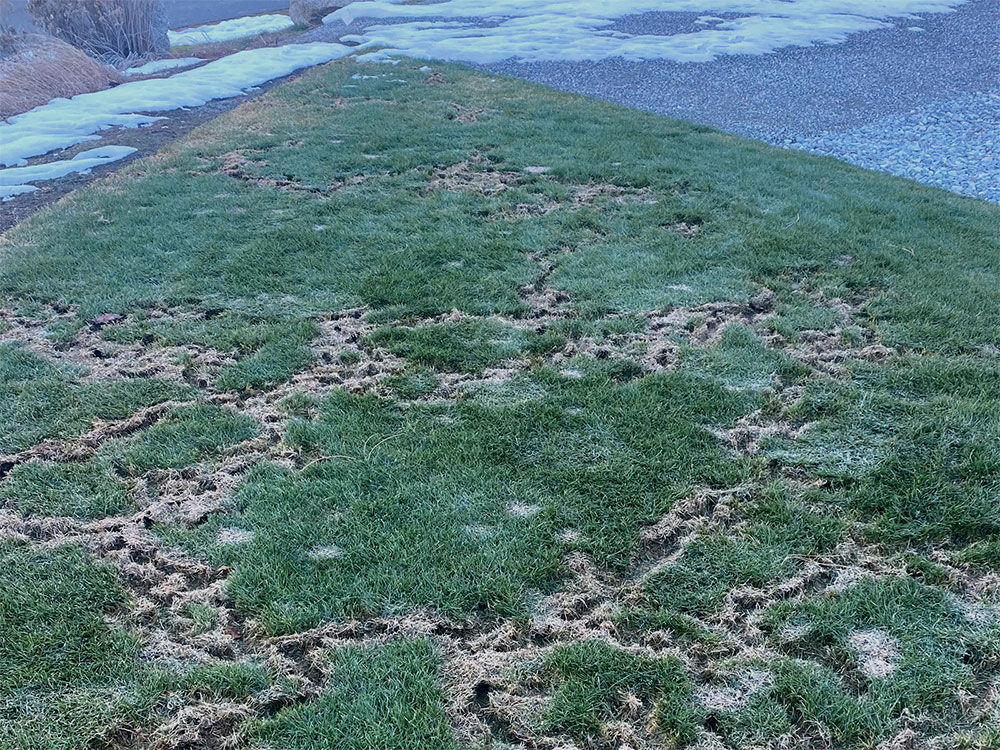
Vole Lawn Damage

GROUND Squirrel Tree Damage